
What is the cheapest electric car for rideshare drivers today? With the growing demand for urban mobility and rising fuel costs, many professionals are switching to electric vehicles — and the numbers work out better than they might seem.
This guide brings together the main affordable models on the market, explains why making the switch makes financial sense, and provides strategies to optimize your earnings with an electric vehicle.
The Best Electric Cars for Rideshare Drivers in 2026
The market has evolved significantly in recent years. Today, there are options that combine affordability, sufficient range for a full workday, and operating costs that are considerably lower than those of gasoline-powered vehicles.
Choosing an electric vehicle is not just about modernity — it is a strategic business decision for those who make a living behind the wheel.
Why Switching to Electric Is Financially Advantageous
The benefits appear in several areas: electricity costs are much lower than fueling with gasoline or ethanol, maintenance costs drop substantially due to the reduced number of moving parts, and vehicle depreciation tends to be lower compared to equivalent conventional models.
Reduced Operating Costs
Cheaper charging: on average, the cost per kilometer driven is much lower with electricity than with fuel.
Fewer trips to the repair shop: without an internal combustion engine, spark plugs, oil filters, or a complex automatic transmission, the list of mandatory maintenance services is much shorter.
Stronger resale value: electric vehicles tend to maintain their resale value more consistently, especially popular models.
Comparison: Which Electric Vehicle Should You Choose?
BYD Dolphin
🔹 Range: 44.9 kWh battery with approximately 291 km per charge (PBEV cycle) — enough for a full day of urban driving without needing to recharge during working hours.
🔹 Features: 12.8″ rotating infotainment screen, wireless charger, well-finished seats, and progressive electric steering.
🔹 Motor: 95 hp and 18.3 kgfm of torque — quick responses in traffic and a pleasant experience for passengers.
🔹 Savings: compared to combustion-engine vehicles, operational savings can reach up to 70% in the long term.
🔹 Point of attention: trunk capacity is limited for drivers who frequently transport large luggage.
🔸 Ideal for: drivers who prioritize comfort, technology, and extended range to avoid stopping during work.

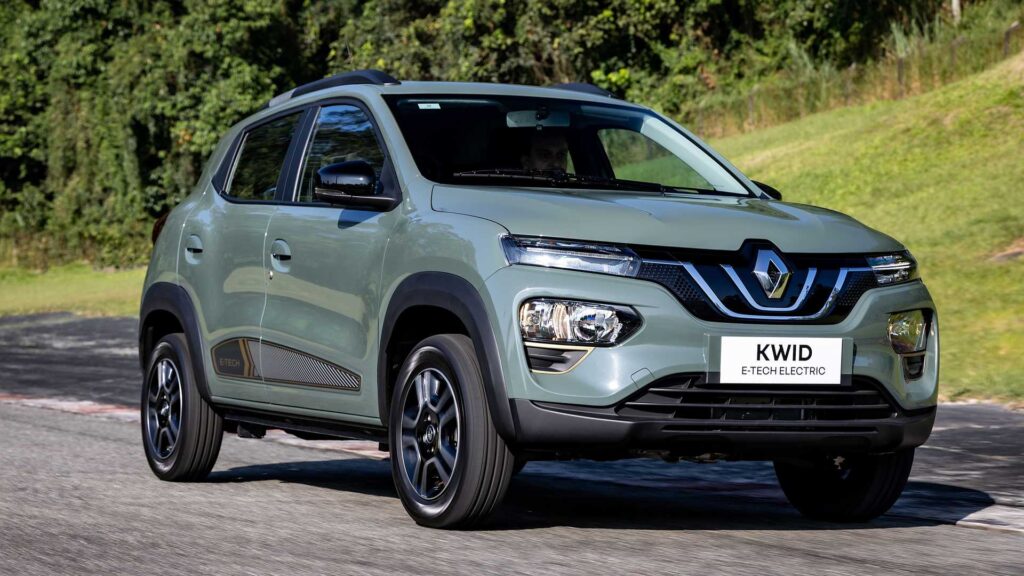
Renault Kwid E-Tech
🔹 Range: 26.8 kWh battery with a range of 185 km (PBEV cycle). Suitable for urban rides and short-distance trips.
🔹 Entry-level price: one of the most affordable electric vehicles available in Brazil — a great entry point for those who want to switch without spending too much.
🔹 Size: compact dimensions make it easier to maneuver on narrow streets and find parking spaces.
🔹 Operating costs: similar to the Dolphin in terms of savings — significantly lower than what a flex-fuel or gasoline vehicle generates.
🔹 Point of attention: interior space and trunk capacity (290L) are limited for passengers carrying a lot of luggage.
🔸 Ideal for: drivers who mainly operate within the city and want the lowest possible purchase cost.
Nissan Leaf
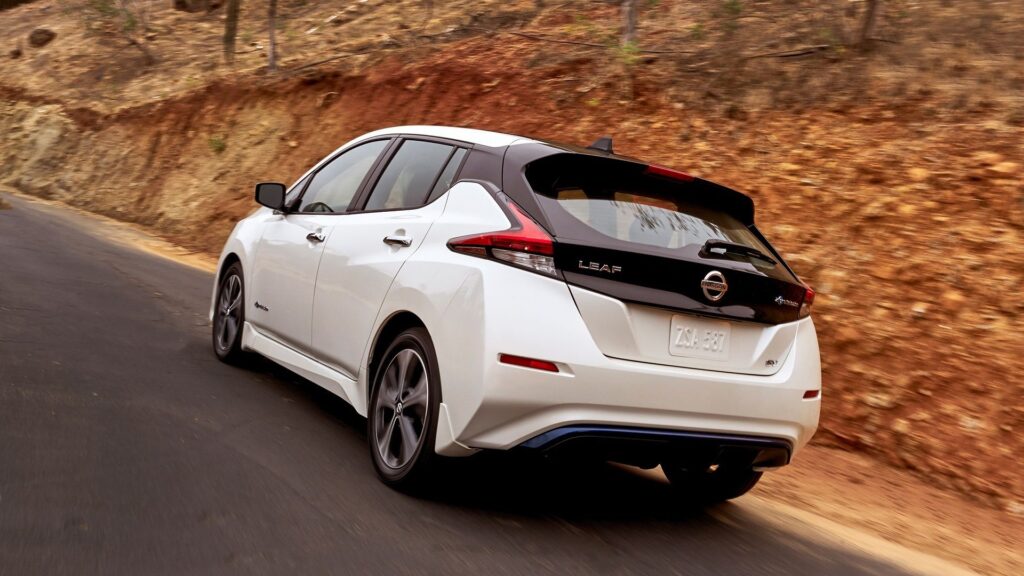
🔹 Range: 40 kWh battery with a range of 240 km (PBEV cycle) — a balance between range and comfort.
🔹 Interior space: a midsize hatchback with more room than the Kwid and the Dolphin, which can improve passenger ratings.
🔹 Safety technology: blind-spot warning, lane-keeping assist, and adaptive cruise control.
🔹 Operating costs: low, although imported parts may make occasional repairs more expensive.
🔹 Point of attention: higher purchase price than the other two models.
🔸 Ideal for: drivers who value space, safety technology, and have a slightly larger budget for the purchase.
How to Calculate Whether It Is Worth It for You
Before deciding, consider these three factors in your daily calculations:
Daily charging cost: calculate how much you spend on kWh to cover your daily driving distance.
Vehicle depreciation: divide the purchase price by the expected number of months of use to determine the real monthly cost.
Fixed costs: insurance, vehicle tax (with possible exemptions for electric vehicles in some states), and registration fees.
Benefits Beyond Savings
Environmental Impact and Government Incentives
Less pollution: zero direct emissions contribute to cleaner and healthier cities.
Tax incentives: some states offer reduced or exempt vehicle taxes for electric vehicles.
Positive image: passengers tend to rate drivers with electric vehicles more favorably, which can increase app ratings.
Frequently Asked Questions About Electric Vehicles for Rideshare Driving 🔋
1. What is the cheapest electric car currently available?
In terms of list price, the Renault Kwid E-Tech leads the market. For those who want more range while still saving money, the BYD Dolphin offers the best value for money.
2. How can rideshare drivers save even more?
Combine the choice of an efficient electric vehicle with charging during off-peak electricity hours (where available) and route planning to avoid traffic congestion.
3. Which electric vehicles are most recommended for rideshare driving?
The BYD Dolphin (balance between range and comfort), Renault Kwid E-Tech (low-cost option for city driving), and Nissan Leaf (space and technology) are the three standout models for this purpose.