
When you start thinking about buying a car, the first thing most people do is look at models, colors, and features. But if you want to be a truly “smart” buyer, your first question shouldn’t be what to buy, but when to buy it.
Timing a vehicle purchase is part science and part psychology. In 2026, the market has finally settled into a predictable rhythm after years of supply chain chaos, but “predictable” doesn’t mean “cheap.” High interest rates and steady vehicle prices mean that finding the right window of opportunity can save you thousands of dollars over the life of your loan.
Whether you are looking for a brand-new SUV or a reliable used sedan, here is a deep dive into the best times to pull the trigger.
The “End of” Principle: Quotas and Commissions
The most important thing to understand about car dealerships is that they operate on a high-pressure, quota-driven cycle. Salespeople, managers, and the dealership itself all have targets they must hit to unlock bonuses from the manufacturer.
The End of the Month
The last few days of the month are legendary for a reason. If a dealership is just two or three sales away from hitting a massive volume bonus, they may be willing to sell a car at a “loss” just to get the unit count.
When you walk in on the 30th or 31st, the power dynamic shifts slightly in your favor. The salesperson isn’t just looking for a commission; they are looking for a “stat.” However, a word of caution: if they’ve already hit their goal, they might not be as flexible. It’s a gamble, but one that often pays off.
The End of the Quarter
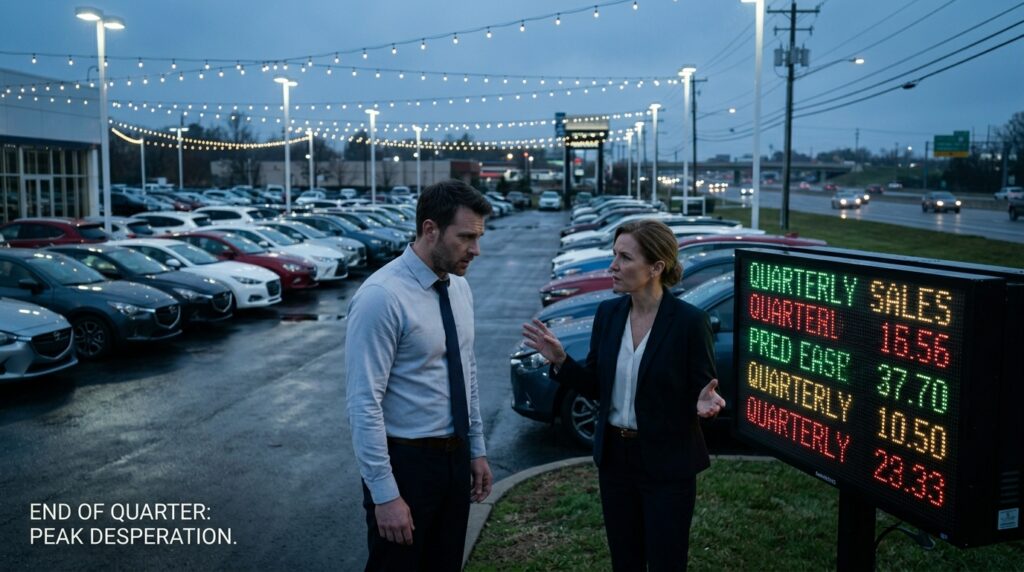
March, June, September, and December are the “big four.” These represent the end of the financial quarters. Dealerships often have larger quarterly targets that trigger even bigger payouts. If you can time your visit to the final week of a quarter, you are tapping into the peak of sales-target desperation.
Seasonal Cycles: When the Seasons Change, Prices Often Drop
Nature isn’t the only thing that changes with the seasons; the automotive inventory does too.
December: The Ultimate “Perfect Storm”
December is widely considered the best month of the year to buy a car. Why? Because three different cycles align perfectly:
-
End of the Month: Monthly quotas.
-
End of the Quarter: Quarterly bonuses.
-
End of the Year: Annual targets and tax-year clearance.
Additionally, many luxury brands run “December Sales Events” to clear out current-year inventory before the new year starts. In 2026, we are seeing particularly aggressive year-end incentives on hybrid models as manufacturers push to meet annual emission fleet averages.
Late Summer (August and September)
This is the “Changing of the Guard.” This is typically when the next year’s models begin arriving on the lot. A dealer cannot sell a 2027 model if the showroom is still full of 2026 models.
If you are willing to buy the “outgoing” model year, you can often find significant discounts or improved financing rates. The car is still technically new, but in the eyes of the dealer, it’s “old stock.”
Holiday Sales Events: Fact or Fiction?
You’ve seen the commercials with giant red bows and upbeat music. Are holiday sales actually worth it?
Presidents Day and Memorial Day
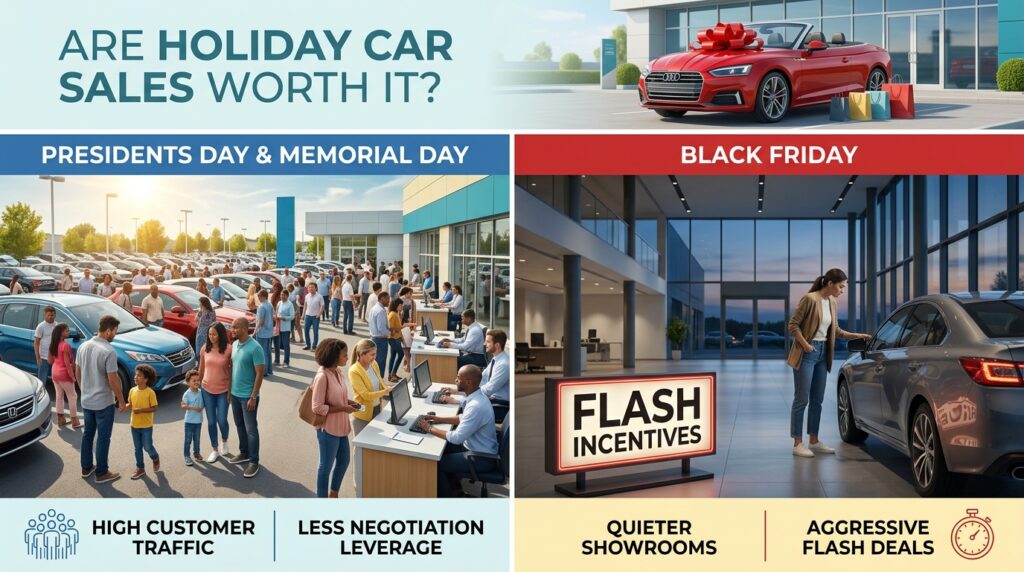
These holidays are usually the “kickoff” for the spring and summer buying seasons. While you will find plenty of advertised deals, keep in mind that these are also some of the busiest days at a dealership.
If you shop on a holiday weekend, you are competing with hundreds of other buyers. You might get a good price, but you will likely have less leverage for negotiation because if you don’t buy the car, the person standing behind you probably will.
Black Friday
Surprisingly, Black Friday has become a powerhouse for car deals. As consumers flock to electronics stores, car dealerships are often ghost towns. To lure people away from the malls, manufacturers often release short-term, highly aggressive “flash” incentives that are only valid for that weekend.
The Best Day of the Week (and Time of Day)
Believe it or not, the day you walk through the door matters almost as much as the month.
Monday and Tuesday: The Negotiator’s Best Friend
Weekends are the busiest times for car sales. On a Saturday, a salesperson might be juggling three different customers at once. They don’t have the time—or the incentive—to sit down and grind out a complex negotiation.
On a Monday or Tuesday morning, the showroom is usually quiet. The sales staff is refreshed and often “hungry” to start the week with a win. When you are the only person in the building, you have the salesperson’s undivided attention, which makes them much more likely to work with you on price or trade-in value.
Late in the Evening? Not Always.
There is an old myth that you should go to a dealership right before they close so they will give you a deal just to go home. In reality, this usually just results in a rushed, frustrated staff and a higher likelihood of mistakes in your paperwork. It’s better to arrive two hours before closing on a slow Tuesday than ten minutes before the lights go out.
External Factors: Interest Rates and Economic Trends in 2026
In the current economic climate, the “best time” to buy might depend more on the Federal Reserve than on the calendar.
Watching the Interest Rate Curve
In 2026, interest rates have finally begun to stabilize, but they are still higher than they were a few years ago. If there is a projected rate cut on the horizon, waiting even 30 days could save you a significant amount on your monthly payment.
Conversely, if inflation is ticking up, manufacturers may pull back on 0% APR offers. Keep an eye on the “Manufacturer Incentives” page of a car brand’s website. If you see a 1.9% or 2.9% offer appear, that is often a better “time to buy” than waiting for a holiday.
The EV and Hybrid Pivot
If you are looking for an electric vehicle, the best time to buy is often right after a competitor releases a major new model. In 2026, as more brands enter the EV space, we are seeing “price wars” break out. When one brand slashes prices, the others almost always follow suit within a few weeks to keep their inventory moving.
When You Should Never Buy a Car
Knowing when to stay away is just as important as knowing when to go.
-
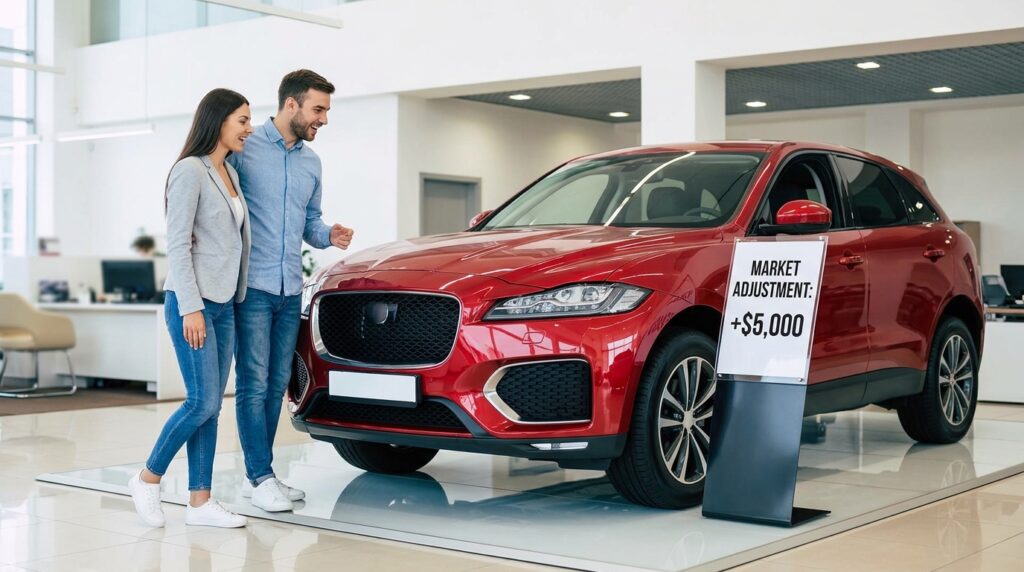
When a Model is Brand New: If a redesigned version of a popular SUV just hit the lot yesterday, don’t buy it yet. Dealers will often add “Market Adjustment” markups because they know early adopters will pay a premium. Wait 4 to 6 months for the hype to die down.
-
When You Are in a Rush: Desperation is the most expensive emotion in car buying. If your current car just broke down and you need a replacement by tomorrow, you lose all your negotiating power. The best time to buy a car is when your current one is still running perfectly.
-
The First Week of the Month: As mentioned before, quotas are fresh, and salespeople aren’t feeling the pressure yet. They are much more likely to hold firm on their “sticker price” early in the month.
Final Thoughts: The Personal “Best Time”
Ultimately, the best time to buy a car is a combination of market timing and personal readiness. If you find a car that fits your budget, has a low-interest financing offer, and meets all your needs, don’t lose sleep over whether you could have saved an extra $200 by waiting another month.
However, if you have the luxury of time, aim for the late-quarter, late-month, or late-year windows on a quiet Tuesday morning. By aligning the dealer’s need to hit a quota with your prepared, patient approach, you will walk away with a deal that makes you feel as good as the car drives.
Smart buying is about being the “exception” to the rule—the buyer who knows the cycles and uses them to drive home a bargain.