
The smell of a factory-fresh interior is one of the most effective sales tools ever invented. You know the feeling: you sit in the driver’s seat, the plastic is still on the screens, and for a fleeting moment, you feel like you’ve reached a new level of success. But then you look at the price tag, and suddenly, that three-year-old certified pre-owned model across the lot starts looking like a much more rational companion. It’s the age-old debate that has kept car buyers up at night for decades. However, as we navigate the unique economic climate of April 2026, the old rules of thumb—like “cars lose 20% of their value the moment you drive off the lot”—don’t always tell the whole story anymore.
Deciding between New vs Used Cars: Which Should You Finance? is no longer a simple math problem about depreciation. In today’s market, you have to weigh subsidized interest rates against higher sticker prices, and ancient reliability reputations against cutting-edge safety tech. Financing a car is a long-term commitment, often lasting five to seven years, so the choice you make today will echo through your bank account for a significant portion of your life. Whether you are a “drive it until the wheels fall off” type of person or someone who likes to trade in every three years, understanding the nuances of modern financing is the only way to ensure you don’t end up “underwater” on a loan that outlasts the car’s usefulness.
The New Reality of New Car Financing
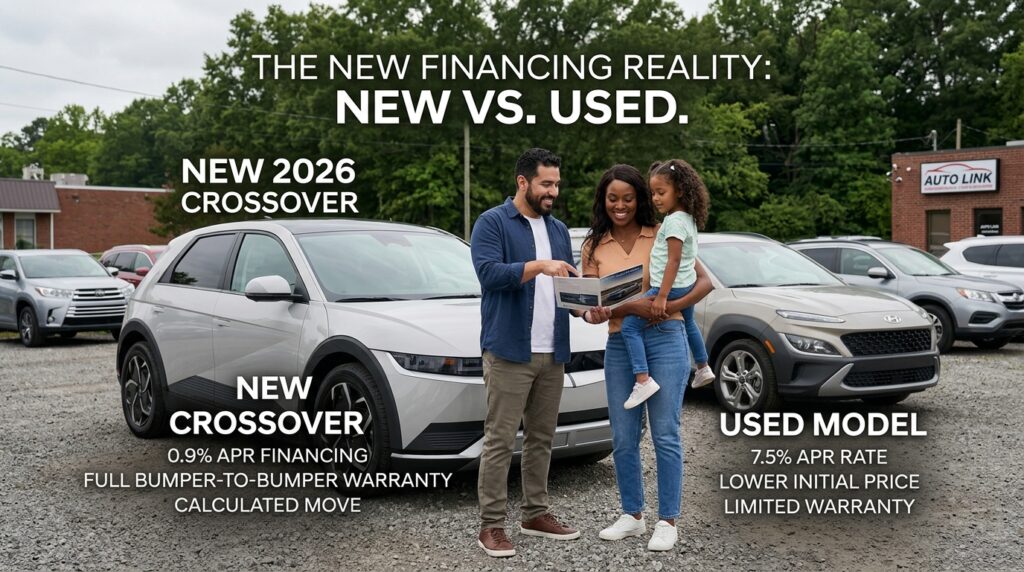
In the “old days,” financing a new car was seen as a luxury for those who didn’t mind burning money on depreciation. But in 2026, the gap between new and used has narrowed in surprising ways. Manufacturers are locked in a fierce battle for market share, especially in the hybrid and electric sectors. This means they are offering “incentivized financing” that is almost impossible to find in the used market.
When you see a 0.9% or 1.9% APR offer on a brand-new crossover, that is essentially free money. Meanwhile, a used car loan for a similar model might carry an interest rate of 7% or 8%. Over a 60-month term, the interest savings on the new car can actually cancel out a large chunk of that initial depreciation hit. When you add in the peace of mind of a full bumper-to-bumper warranty, the “new” option starts to look less like an indulgence and more like a calculated strategic move.
The Used Market: Where Strategy Meets Savings
On the flip side, the used car market remains the sanctuary for the value-conscious buyer—if you know how to hunt. The primary advantage of a used vehicle is that the previous owner has already paid the “entrance fee” for that car to exist. By the time a car is three or four years old, its depreciation curve has usually flattened out.
If you finance a used car, you are borrowing a smaller principal amount. Even if your interest rate is higher, your total debt is lower. This is particularly powerful for those who want to avoid the “GAP” trap—where you owe more than the car is worth. A well-chosen used car, perhaps a 2023 or 2024 model with low mileage, offers 90% of the technology and safety of a new car at 60% of the price. In 2026, with used car supply finally stabilizing after years of volatility, there is a “sweet spot” of inventory that offers incredible bang for your buck.
The “Certified Pre-Owned” (CPO) Middle Ground
If you’re struggling with the New vs Used Cars: Which Should You Finance? dilemma, the CPO market is your bridge. These are used cars that have been inspected, refurbished, and certified by the manufacturer, often coming with a warranty that rivals a new car’s coverage.
From a financing perspective, CPO vehicles sometimes qualify for special rates that are lower than standard used car loans. It’s the closest you can get to “new car security” without the “new car price tag.” I often tell friends that if they are nervous about the reliability of a used car but can’t stomach the MSRP of a new one, a CPO model is the most logical exit from that mental loop. It’s a way to let someone else pay for the initial depreciation while you reap the benefits of a vetted machine.
Is it worth it?
Is it worth it to finance a brand-new car in 2026? Yes, but only if you hit the “Triple Threat”: you plan to keep the car for at least seven years, you qualify for an incentivized interest rate (under 3%), and the car is a model known for holding its value (like a Toyota, Honda, or Subaru). If you satisfy those three conditions, the “new” route is often the superior financial play because your total cost of ownership over a decade will be lower.
Is it worth it to finance used? Yes, especially if you are on a budget or looking for a luxury experience. Financing a three-year-old BMW or Lexus allows you to enjoy a high-end lifestyle at the price of a new economy sedan. As long as you have a “repair fund” set aside for when the warranty ends, the used route allows you to keep your monthly cash flow flexible and avoids the massive initial loss in equity.
What to Consider Before You Choose
Before you sign the dotted line, you need to look beyond the monthly payment. Here are the three pillars of a smart choice:
1. The Total Cost of Interest
Don’t just look at the monthly note. Ask for the “Total of Payments” over the life of the loan. You might find that a $35,000 new car at 1.9% interest costs you less over five years than a $30,000 used car at 8% interest. The math doesn’t lie, even if the salesman does.
2. Maintenance vs. Monthly Payment
A new car has a predictable monthly cost (just the loan). A used car has a lower loan payment but an unpredictable maintenance cost. In 2026, parts and labor are more expensive than ever. If you can’t afford a $1,200 surprise brake-and-rotor job, the stability of a new car warranty might be worth the higher monthly payment.
3. The Tech and Safety Gap
The jump in safety technology between 2021 and 2026 is massive. We’re talking about much better collision avoidance, superior lane-keeping, and improved battery efficiency for hybrids. If you have a long commute or a family to protect, the “value” of the latest safety suite in a new car is hard to quantify on a spreadsheet but very real in your daily life.
Important Tips
-
Check the “Residual Value” Rankings: Before choosing, look up the 5-year projected value of the car. Financing a car that holds 60% of its value is a smart move; financing one that holds 30% is a disaster, whether it’s new or used.
-
Get a “Pre-Purchase Inspection” (PPI): If you go the used route, never finance without an independent mechanic looking at the car. A $150 inspection can save you from a $15,000 mistake.
-
The “Short Term” Strategy: If you finance a used car, try to keep the term to 36 or 48 months. This ensures you build equity quickly and aren’t still paying for the car when it starts needing major repairs.
-
Leverage New Car Incentives: If a manufacturer is offering 0% APR, take it—even if you have the cash. You can keep your money in a high-yield savings account earning 4.5% while the bank lends you money for free. That’s called “winning the game.”
The Psychological Aspect of the Choice
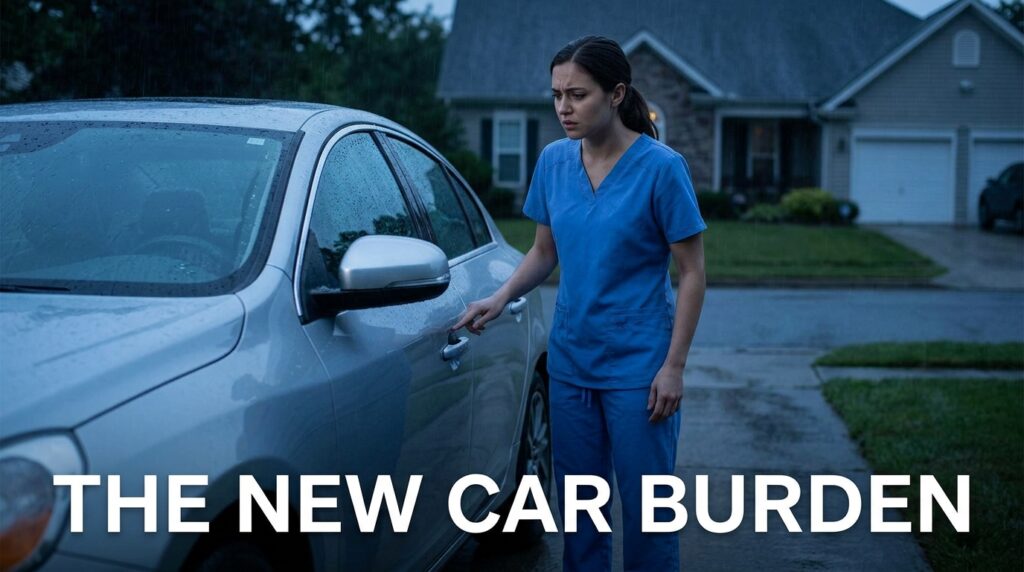
There is a psychological burden to debt that we rarely talk about. When you finance a new car, you feel a sense of “duty” to protect it. Every scratch hurts. When you finance a used car, there’s a sense of “freedom.” It’s already been through some things, and so have you.
The question of New vs Used Cars: Which Should You Finance? often comes down to your personality. If you are the type of person who gets stressed by a “check engine” light, the new car is a mental health investment. If you are someone who prides themselves on being a “smart shopper” and finding a bargain, the used car will give you a sense of satisfaction every time you see that lower balance in your banking app. Neither is wrong, as long as the choice is intentional.
Conclusion: Trust the Math, Not the Hype
At the end of the day, the battle between new and used is a personal journey. There is no one-size-fits-all answer in 2026. The “best” car to finance is the one that fits into your life without causing you to lose sleep over the payments or the repairs.
If you want the latest tech, the lowest interest rates, and the security of a warranty, go new and keep it for the long haul. If you want to avoid the steepest part of the depreciation curve and don’t mind a slightly higher interest rate in exchange for a lower total debt, the used market is waiting for you with open arms.
Take your time. Run the numbers on a loan calculator. Compare the total interest paid over five years for both options. Once the math makes sense and the car feels right, you’ll know you’ve made the correct choice. Whether it’s 0 miles or 30,000 miles on the odometer, the goal is the same: a reliable ride that moves you forward without holding your finances back. Happy driving!