
Buying a car in 2026 feels a bit different than it did a few years ago. Prices are more dynamic, dealerships are more strategic, and online platforms have changed the way people negotiate. You might walk into a dealership thinking you’re prepared, only to realize later that you paid more than you should have. The truth is, overpaying doesn’t usually happen because someone is careless—it happens because the process is designed to make you feel comfortable spending just a little more.
Understanding Why People Overpay
Before learning how to avoid overpaying, it helps to understand why it happens in the first place.
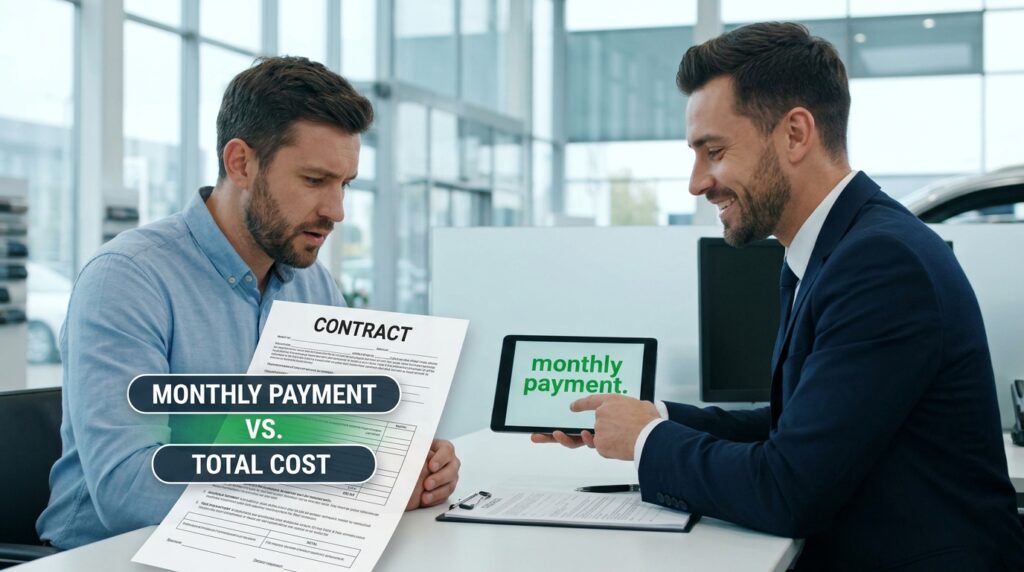
Most buyers focus on the monthly payment instead of the total cost. Dealers know this. They stretch loan terms, adjust interest rates, and suddenly that “affordable” payment hides thousands in extra costs.
Another common issue is emotional buying. You see the car, sit inside it, imagine your life with it—and logic takes a back seat. It’s completely normal, but it’s also where mistakes begin.
And then there’s lack of information. In 2026, information is everywhere, but not everyone knows how to use it properly. A quick search isn’t enough—you need to compare, analyze, and question everything.
Vale a pena?
Is it even worth stressing this much about the price of a car?
Yes, and here’s why.
A car is one of the largest purchases most people make, second only to a home. Overpaying by even 10% can mean thousands lost—money that could have been invested, saved, or used for something more meaningful.
But there’s another side to this. Not every higher price is a bad deal. Sometimes paying a bit more for reliability, warranty, or lower maintenance costs actually saves money long-term.
So the real question isn’t “How do I pay the lowest price?”
It’s “How do I pay a fair price for the right car?”
What to Consider Before Choosing
1. Total Cost, Not Just the Price Tag
The sticker price is just the beginning.
Think about insurance, maintenance, fuel, taxes, and depreciation. A cheaper car upfront might cost more over time. For example, a used luxury car can seem like a bargain—until the first repair bill hits.
In 2026, many buyers are also considering subscription features, software updates, and connected services. These hidden costs can add up quickly.
2. Market Timing Matters
Car prices fluctuate more than most people realize.
End of the month, end of the quarter, and especially end of the year are often the best times to negotiate. Dealerships have targets to hit, and that pressure can work in your favor.
Also, keep an eye on new model releases. When a newer version arrives, older inventory often gets discounted.
3. Financing Can Be the Trap
This is where many people overpay without noticing.
A longer loan term reduces your monthly payment but increases the total amount paid. A slightly higher interest rate can quietly cost thousands over time.
Always calculate the full amount you’ll pay by the end of the loan. If the numbers feel uncomfortable, they probably are.
4. Trade-In Value Awareness
If you’re trading in your current car, don’t rely on the dealership’s first offer.
Research your car’s value beforehand. Many buyers lose money here because the dealer lowers the trade-in value while appearing to give a discount on the new car.
It’s a balancing act—and you need to see both sides clearly.
Practical Tips to Avoid Overpaying
Do Your Homework (Seriously)
Before stepping into a dealership or clicking “buy,” spend time researching.
Compare prices across multiple platforms. Look at similar models, different years, and various conditions. The goal is to build a mental range of what’s fair.
When you know the market, you walk in with confidence—and that changes everything.
Don’t Reveal Your Budget Too Early
One subtle mistake many people make is saying, “I can spend up to this much.”
Once the seller knows your limit, the deal will likely land right at the top of it.
Instead, focus on the value of the car, not your personal limit.
Separate Negotiations
If you’re financing, trading in, and buying—all at once—it becomes harder to track what’s really happening.
Try to handle each part separately:
- Negotiate the car price first
- Then discuss financing
- Finally, talk about the trade-in
This keeps things transparent and avoids confusion.

Be Ready to Walk Away
This is one of the most powerful tools you have.
If something doesn’t feel right, leave. There will always be another car, another deal, another opportunity.
Interestingly, many buyers who walk away get a better offer later. It shows you’re not desperate—and that changes how sellers approach you.
Watch Out for Add-Ons
Extended warranties, protection packages, accessories—they can be useful, but they’re often overpriced.
Ask yourself:
- Do I really need this?
- Can I get it cheaper elsewhere?
Small add-ons can quietly increase the final price more than expected.
Use Silence to Your Advantage
Negotiation isn’t always about talking.
Sometimes, after hearing an offer, just pause. Silence creates pressure, and often the other side will adjust their proposal without you saying a word.
It might feel uncomfortable at first, but it works more often than people think.
Real-Life Scenario
Imagine you’re buying a car listed at $25,000.
You negotiate it down to $23,500. Sounds great, right?
But then:
- Financing adds $3,000 in interest
- Add-ons cost another $1,200
- Trade-in undervalued by $1,500
Suddenly, your “great deal” isn’t so great anymore.
This is how overpaying happens—not in one big mistake, but in several small ones.
The Role of Online Buying in 2026
Online car buying has grown a lot, and it brings both advantages and risks.
On one hand, prices are more transparent. You can compare offers quickly and avoid some dealership pressure.
On the other hand, it’s easier to rush decisions. A few clicks, and the deal is done.
The key is to slow down. Even in a fast digital environment, your decision doesn’t need to be rushed.
Emotional Control Is Everything
This might be the most underrated factor.
Excitement, urgency, fear of missing out—these emotions drive people to overpay more than anything else.
Take a step back. Give yourself time to think. Sleep on the decision if needed.
A car will always be there. A bad financial decision stays much longer.

Dicas importantes
- Always compare at least three different offers
- Check the full cost, not just the monthly payment
- Avoid rushing into “limited-time deals”
- Inspect the car carefully (or hire someone who can)
- Read every detail before signing
These may sound simple, but they’re often ignored in the heat of the moment.
Final Thoughts
Avoiding overpaying for a car in 2026 isn’t about being an expert—it’s about being aware.
When you understand how pricing works, take your time, and stay in control of the process, you naturally avoid most of the traps.
The goal isn’t to win the negotiation or get the absolute lowest price. It’s to walk away knowing you made a smart, balanced decision.
And when you do that, the car you drive home feels even better—not just because of what it is, but because of how you got it.