
Navigating the world of automotive finance in 2026 feels a bit like being a kid in a candy store—except the candy costs tens of thousands of dollars and the wrappers are filled with complex legal jargon. When you finally find that perfect vehicle, the one that fits your lifestyle and smells like a fresh start, the excitement is palpable. But then comes the fork in the road: how do you actually pay for it? Choosing between a specialized car loan and a flexible personal loan is one of the most significant financial decisions you’ll make this year, and getting it right can save you a small fortune in interest and fees.
The truth is that the “best” option isn’t found on a bank’s billboard; it’s found in your own credit file and your plans for the vehicle. In 2026, lenders have become more surgical with their offerings, using real-time data to tailor rates. A car loan might offer the lowest headline rate, but it comes with strings attached to the car itself. Conversely, a personal loan offers a level of freedom that many modern buyers find irresistible. To decide which path is your golden ticket, we need to peel back the layers of both options and see how they perform in real-world scenarios.
The Core Mechanics: Secured vs. Unsecured Debt
To understand the Car Loan vs Personal Loan debate, we first have to talk about collateral. A traditional car loan is a “secured” loan. This means the vehicle acts as a guarantee for the bank. If you stop making payments, the lender has the legal right to take the car back to recoup their losses. Because the bank has this safety net, they usually reward you with a lower interest rate.
A personal loan, in most cases, is “unsecured.” The bank lends you the money based solely on your signature and your history of being a reliable human being who pays their bills. They aren’t taking a “lien” on your car’s title. If things go sideways, they can’t just back a tow truck into your driveway; they have to go through a much more arduous legal process. Because the risk is higher for the bank, the interest rate is typically higher for you.

The Specifics of a Car Loan
Car loans are designed with one purpose: getting you behind the wheel. Because they are specific to the automotive industry, they often come with perks tied to the dealership or the manufacturer. In 2026, we see many “green car loans” specifically for EVs that offer even deeper discounts on interest rates to encourage sustainability.
Lower Interest Rates
The biggest draw for a car loan is the APR. Since the loan is backed by a physical asset, banks are much more comfortable offering competitive rates. If you have a decent credit score, you might find car loan rates that are several percentage points lower than the best personal loan offers. Over a five-year term, that difference can equate to thousands of dollars.
Easier Approval for Some
If your credit history has a few bumps in the road, a secured car loan might be your only realistic path. Lenders are more willing to take a chance on someone with a lower score if they know they can repossess the asset if necessary. It’s a bit of a safety cushion for both the bank and the borrower.
Restrictions and Requirements
The downside? The bank has a say in what you buy. Most car loans come with age and mileage restrictions. If you’ve fallen in love with a classic 1990s roadster or a high-mileage work truck, a standard car loan might reject the vehicle entirely. They want to ensure the “collateral” is worth the money they are handing out.
The Flexibility of a Personal Loan
A personal loan is like a blank check. Once the funds hit your bank account, the lender doesn’t really care if you buy a brand-new sedan, a vintage motorcycle, or a used SUV from your neighbor. This autonomy is why many people are moving toward this option in 2026.
Title Freedom
When you use a personal loan, you own the car outright from day one. The title is in your name, and there is no “lienholder” listed. This is a massive advantage if you plan to sell the car quickly or move out of the country. With a car loan, selling the vehicle requires a complex dance of paying off the lender before the title can be released to the new buyer.
No Insurance Mandates
Lenders of secured car loans will almost always require you to carry “full coverage” insurance with specific deductibles. They are protecting their asset. With a personal loan, you choose the insurance level that fits your budget. While we always recommend good insurance, having the choice to opt for a higher deductible can lower your monthly living expenses significantly.
The Cost of Convenience
The “catch” is the interest rate. Unless you have a “platinum” credit score, a personal loan will almost always be the more expensive way to borrow money. You are paying a premium for the freedom of not having the bank’s name on your car’s title.
Direct Comparison: Which Saves You More?
Let’s look at a common 2026 scenario. Imagine you are eyeing a vehicle for $30,000.
Option A: Car Loan
-
Interest Rate: 5.5%
-
Term: 60 Months
-
Monthly Payment: ~$573
-
Total Interest Paid: ~$4,380
Option B: Personal Loan
-
Interest Rate: 9.0%
-
Term: 60 Months
-
Monthly Payment: ~$622
-
Total Interest Paid: ~$7,320
In this example, the car loan saves you nearly $3,000 over the life of the loan. However, if the car you wanted was a specialized modified vehicle that the bank wouldn’t finance, the personal loan becomes the only way to make the dream happen.
Is it worth it?
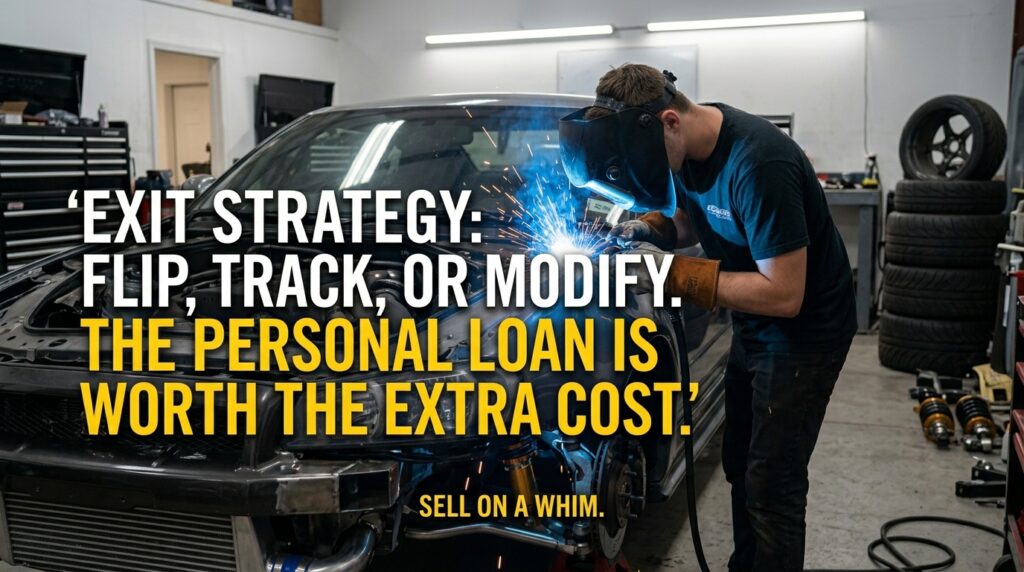
Determining if a specific loan type is “worth it” depends on your exit strategy. If you are the type of person who buys a car and drives it for ten years until the odometer hits 200,000 miles, the Car Loan is almost certainly the winner. The lower interest rate is the most logical choice when the “restrictions” of the loan don’t affect your long-term plans.
However, if you are an enthusiast who flips cars every 12 months, or if you are buying a vehicle to turn into a dedicated track car or a heavily modified off-roader, the Personal Loan is worth the extra interest. The ability to sell the car on a whim without waiting for bank paperwork is a luxury that justifies the cost for many.
What to consider before choosing
Before you sign on the dotted line, run through this checklist of 2026 market realities:
-
Your Credit Score: If your score is above 740, the gap between car loan and personal loan rates might be narrow. If it’s below 660, the car loan will likely be your only affordable option.
-
The Vehicle’s Age: If the car is more than 7–10 years old, most banks will refuse a traditional car loan. In this case, the personal loan isn’t just a choice; it’s the only tool in the shed.
-
Total Cost of Ownership: Don’t just look at the loan payment. Calculate the insurance requirements. If a car loan forces you into a $300/month insurance policy but a personal loan lets you pay $150/month for the coverage you actually want, the personal loan might actually be cheaper overall.
-
Early Payoff Penalties: In 2026, some predatory car loans still include “prepayment penalties.” Most personal loans from reputable fintech lenders do not. If you plan to pay the loan off early with a tax refund or a bonus, check the fine print!
Important tips
As someone who has seen thousands of these contracts, here is my “insider” advice for navigating the Car Loan vs Personal Loan maze:
-
Get Pre-Approved Twice: Don’t just get one quote. Get a pre-approval for a car loan from your credit union AND a personal loan quote from a reputable online lender. Having both in your pocket gives you incredible leverage at the dealership.
-
Watch the Fees: Personal loans sometimes have “origination fees” (1% to 5% of the loan amount) that are deducted before you get the money. Car loans usually fold their fees into the APR. Make sure you are comparing apples to apples.
-
The “Hybrid” Strategy: Some people take a personal loan to buy a car cash (to get a better price from a private seller), then “refinance” it into a car loan later to get a lower rate. It’s extra paperwork, but it can be a brilliant move for a savvy buyer.
-
Check for “Add-ons”: Dealership car loans often come bundled with “GAP insurance” or “Extended Warranties.” These can be useful, but they are often overpriced. You can usually buy these independently for much less.
The 2026 Market Perspective
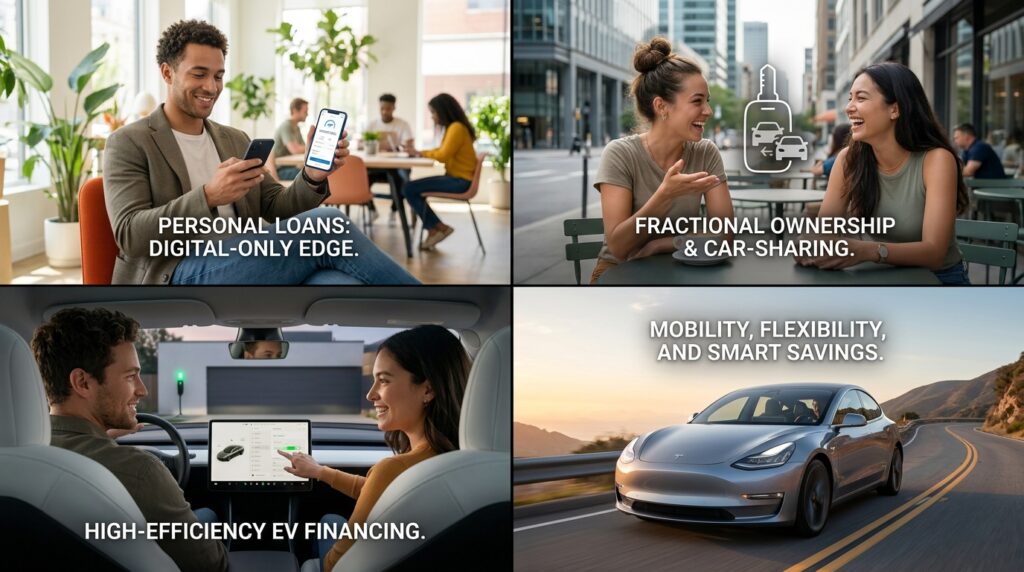
We are currently seeing a shift where “Personal Loans” are becoming more competitive. Digital-only banks have lowered their overhead so much that they can occasionally challenge the rates of traditional car loans for top-tier borrowers. Furthermore, with the rise of car-sharing and fractional ownership, the rigidity of a 60-month “secured” car loan is starting to feel a bit dated for the younger generation of drivers who value mobility over traditional “ownership.”
However, the “Green Revolution” has breathed new life into car loans. Governments and banks are partnering to offer 0% or 1% financing on specific high-efficiency models. If you are looking at a modern EV or a high-tech hybrid, the car loan is almost impossible to beat from a purely mathematical standpoint.
Conclusion
Deciding between a Car Loan vs Personal Loan: Which Is Better for Buying a Car? isn’t a battle of “good vs. evil.” It’s a battle of “low cost vs. high flexibility.” For the vast majority of people buying a standard commuter car, the car loan remains the king of the hill because of its lower interest rates. It’s the pragmatic choice for the budget-conscious driver who doesn’t mind a bit of bank oversight.
But for the rebels, the classic car collectors, and the people who want their car title sitting in their own safe from day one, the personal loan is a powerful alternative. It treats you like an adult with a signature that means something, rather than just a borrower tied to a piece of metal.
Take a look at your bank account, check your credit score on your favorite app, and think about how long you really want to keep this car. The answer to your financing dilemma is usually hidden in those three factors. Whichever way you go, ensure the monthly payment leaves you enough room to actually enjoy the road ahead.