
For anyone entering the rideshare economy in 2026, the car you drive is more than a vehicle—it is your mobile office, your primary overhead, and the engine of your income. Choosing the right car for Uber or Lyft is a delicate balancing act. You need something that passengers love, but more importantly, you need something that doesn’t eat your profits through high financing costs, fuel consumption, or frequent repairs.
Financing a car for rideshare purposes is fundamentally different from buying a personal vehicle. When you drive for Uber, you are putting three to four times the average mileage on the odometer. This “accelerated life” means depreciation hits harder and faster. To stay profitable, you need to finance a car that can withstand 40,000 miles a year while maintaining its value and keeping your “cost per mile” as low as possible.
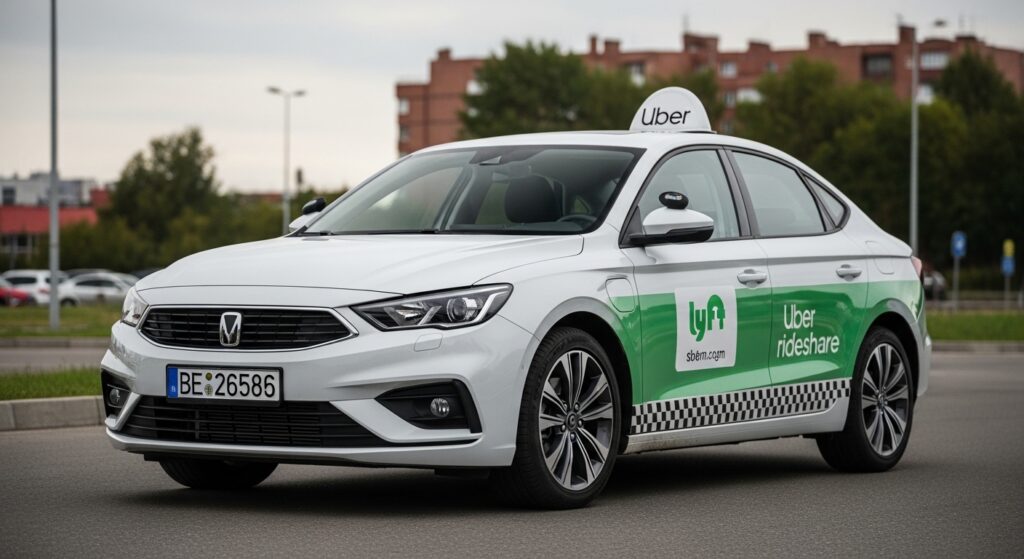
Here is a deep dive into the best cars for Uber drivers to finance right now, categorized by how they protect your bottom line.
The Economics of Rideshare Financing
Before we look at specific models, we have to talk about the math. A “good deal” for a regular commuter can be a “death trap” for a full-time Uber driver. In 2026, interest rates are the silent profit-killers. If you finance a vehicle at 8% or 9% APR, you are effectively working the first two hours of every day just to pay the bank.
Smart rideshare drivers look for incentivized APRs or high-reliability used cars that have already taken their initial depreciation hit. Furthermore, you must consider the “Uber Class.” Financing a car that qualifies for Uber Comfort or Uber XL can significantly increase your earnings per trip, often more than covering the slightly higher monthly payment.
1. The Toyota Corolla Hybrid: The Efficiency King
If you are driving in a city with heavy traffic, the Toyota Corolla Hybrid is arguably the smartest financial move you can make. In 2026, the Corolla Hybrid has perfected the balance between a low purchase price and staggering fuel economy.
Why It’s Great to Finance
Toyota often offers competitive financing rates through Toyota Financial Services, and the car’s resale value is legendary. Even after 100,000 miles of Uber driving, a Corolla Hybrid remains a highly desirable vehicle on the used market. This protects you from being “underwater” on your loan even with high mileage.
The Profit Margin
With fuel economy often exceeding 50 MPG in city driving, your “gas tax” is minimal. It’s a compact car, but the 2026 model has enough rear legroom to keep passengers from complaining, making it a reliable workhorse for UberX.
2. The Toyota Camry Hybrid: The Uber Comfort Choice
For drivers who want to step up their game, the Camry Hybrid is the industry standard. As of 2025/2026, the Camry has gone 100% hybrid, meaning every model on the lot is built for efficiency.
Unlocking Higher Tiers
The Camry usually qualifies for Uber Comfort, which allows you to charge higher rates for riders who want a more premium experience and a quieter cabin. The increased revenue from Comfort rides often offsets the higher monthly finance payment compared to a Corolla.
Longevity and Durability
Uber drivers are known to put 300,000 miles on Camry Hybrids. When you finance a car that can last that long, your “loan term” becomes a smaller fraction of the vehicle’s total life. If you finance for 60 months but drive the car for 8 years, those last three years of “payment-free” driving are where you build real wealth.
3. The Honda CR-V Hybrid: The All-Weather Professional
In many markets, passengers prefer an SUV. The Honda CR-V Hybrid offers the cargo space for airport runs and the All-Wheel Drive (AWD) capability for driving in rain or snow.
The Utility Advantage
Airport trips are the bread and butter of many full-time drivers. A sedan can struggle with three passengers and four large suitcases, but the CR-V Hybrid handles it with ease. By avoiding “canceled” rides due to luggage space, you maximize your uptime.
Financing the CR-V
Honda’s financing terms are typically very stable, and the CR-V is one of the slowest-depreciating SUVs on the market. In 2026, the Hybrid version is particularly sought after, ensuring that if you ever need to exit the rideshare business, you can sell the car quickly to pay off the remaining loan balance.
4. The Tesla Model 3: The EV Strategy
With Uber pushing for a “Green” platform and offering extra incentives for zero-emission vehicles, the Tesla Model 3 has become a common sight in the rideshare world.
Zero Gas, Low Maintenance
When you finance a Tesla, you are trading a higher monthly payment for nearly zero fuel costs and significantly lower maintenance. No oil changes, no spark plugs, and brakes that last forever thanks to regenerative braking. If you have access to home charging, the “all-in” cost of a Model 3 can be lower than a gas-powered Honda Accord.
Uber Green and EV Incentives
Uber often provides a “dollar-per-trip” incentive for EV drivers. If you do 100 trips a week, that’s $400 a month in “free” money that goes directly toward your car payment. When you add the federal tax credits often available at the point of sale in 2026, the financing math for a Model 3 starts to look very attractive.
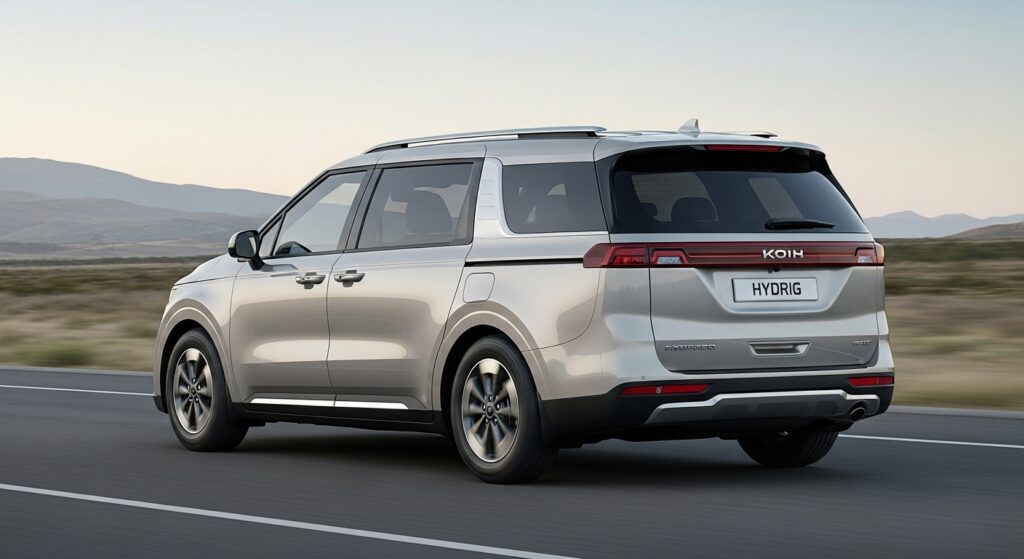
5. The Kia Carnival: The Uber XL Money-Maker
If you are willing to deal with a larger vehicle, the Kia Carnival is a “cheat code” for rideshare earnings. It looks like a sleek SUV but offers the seating capacity of a minivan, qualifying you for Uber XL.
High-Volume Earnings
Uber XL trips pay significantly more than UberX. During weekend nights, sporting events, or at airports, the demand for XL is massive. Financing a Carnival allows you to tap into these high-fare requests.
The Hybrid Option
The 2026 Kia Carnival Hybrid solves the biggest problem with XL vehicles: fuel consumption. By getting decent MPG in a vehicle that seats seven or eight, you can maintain the high margins needed to justify the higher financing cost of a larger vehicle.
6. The Used “Hidden Gem”: 2022-2023 Hyundai Ioniq Hybrid
If you don’t want to finance a brand-new car, look for a 2022 or 2023 Hyundai Ioniq Hybrid (not the electric Ioniq 5, but the original hybrid sedan).
The Depreciation Win
These cars have already taken their biggest value hit. Because they were often overlooked for the Prius, you can find them at a lower price point. They offer up to 58 MPG and a very comfortable interior. Financing a used Ioniq for 36 or 48 months allows you to own the car quickly and maximize your profits sooner.
Key Strategies for Rideshare Financing
Picking the car is only half the battle; how you finance it determines your success.
1. Avoid 72 or 84-Month Loans
Because you are putting high mileage on the car, it will depreciate faster than the average vehicle. If you take a 7-year loan, you will be “underwater” (owing more than the car is worth) for almost the entire life of the loan. Aim for 48 to 60 months to ensure your equity stays positive.
2. Check for “Commercial Use” Clauses
Some personal auto loans have clauses that forbid using the car for commercial purposes like Uber. Always read the fine print. In 2026, many lenders have specific “Rideshare Friendly” loans that won’t penalize you for your profession.
3. Gap Insurance is Mandatory
As a rideshare driver, you are on the road more than most, which statistically increases your chance of an accident. If your car is totaled, the insurance company will only pay the “fair market value,” which will be low due to your high mileage. Gap Insurance covers the difference between that value and what you owe the bank.
The “Total Cost of Ownership” Checklist
Before you sign the financing papers, run these numbers:
-
Monthly Payment: Does it fit into a “slow” week’s earnings?
-
Insurance: Does your quote include a “Rideshare Endorsement”?
-
Fuel: Based on 800 miles a week, what is the cost?
-
Maintenance Fund: Are you setting aside $100 a month for tires and brakes?
If the total of these numbers is more than 35% of your projected gross earnings, you should look for a cheaper vehicle. The most successful Uber drivers aren’t the ones in the flashiest cars; they are the ones with the lowest expenses.
Final Thoughts
Financing a car for Uber in 2026 requires a “business owner” mindset. You aren’t just buying a ride; you are investing in a tool of production.
The Toyota Hybrid lineup remains the safest bet for those who want reliability and high resale value. Tesla is the best move for those who can charge at home and want to maximize EV incentives. And the Kia Carnival is the choice for the “hustler” who wants to dominate the XL market.
Whichever route you choose, remember that the “best” car is the one that is still running strong when the final payment is made. Stay disciplined with your maintenance, choose a sensible loan term, and let your car work for you, not the other way around.